how do we capture geothermal energy

How Do We Capture Geothermal Energy?
Geothermal energy is a type of renewable energy that uses heat from the earth's core to power electricity, space heating, and cooling. This energy source is considered to be an eco-friendly alternative to fossil fuels, as it releases significantly fewer greenhouse gases into the atmosphere. However, the process of capturing geothermal energy is complex and requires specific technologies and methods.
The Basics of Geothermal Energy
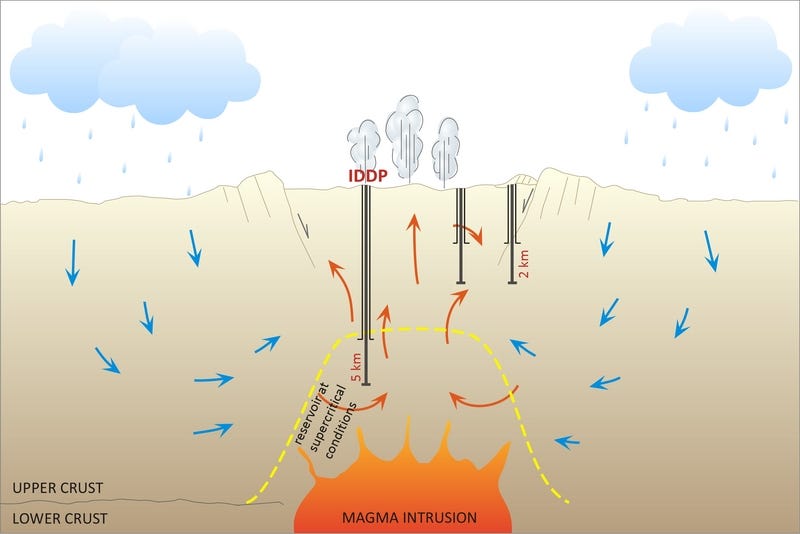
Geothermal energy is generated from the heat of the earth's core, which heats up water and creates steam that can be harnessed to produce electricity. In order to capture this energy, geothermal power plants typically use geothermal reservoirs, which are pools of hot water and steam located beneath the earth's surface.
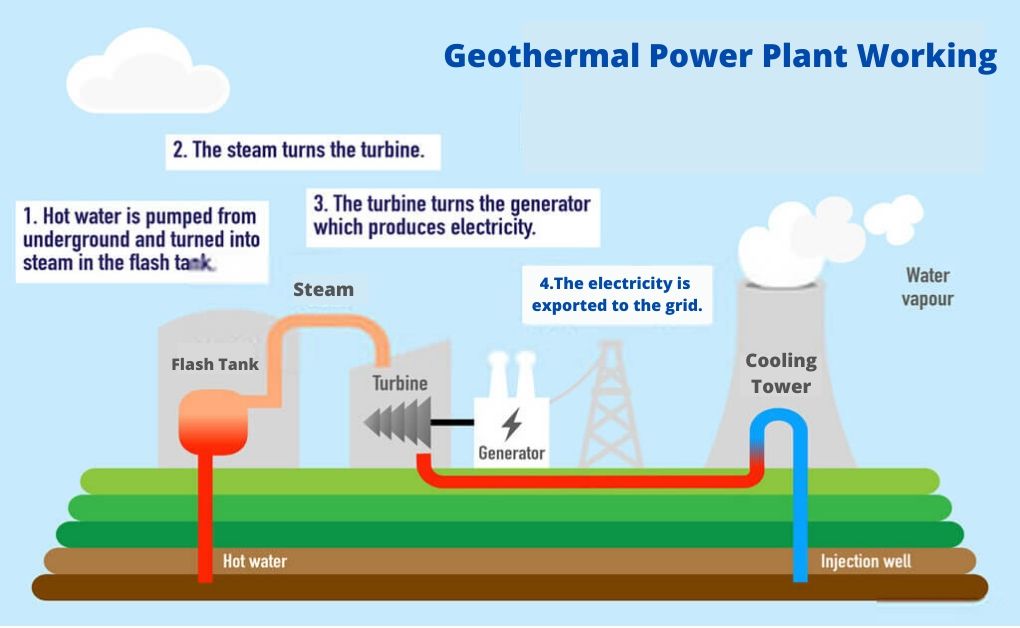
Geothermal reservoirs are typically located near tectonic plate boundaries, where magma rises from the earth's core and heats up the surrounding water. The heat from the water and steam is then converted into electricity using turbines, which are powered by the steam. The electricity is then passed through transformers and transmitted to power grids for distribution.
The Different Methods of Capturing Geothermal Energy
There are two primary methods for capturing geothermal energy: binary cycle and flash steam. The binary cycle method involves using a heat exchanger to transfer heat from the geothermal water to a second liquid with a low boiling point, such as isobutene. The second liquid is then vaporized and used to power a turbine, which generates electricity. The remaining geothermal water can then be reinjected into the reservoir.
The flash steam method, on the other hand, involves drilling a hole in the ground and pumping geothermal water to the surface. The pressure is then released, causing the water to rapidly evaporate into steam. The steam is then used to power a turbine, which generates electricity. The remaining geothermal water is then reinjected into the reservoir.
The Importance and Advantages of Geothermal Energy
Geothermal energy is an important source of renewable energy because it is sustainable and has a low environmental impact. Unlike fossil fuels, geothermal energy does not produce greenhouse gases or other pollutants that contribute to global warming and air pollution. Additionally, geothermal energy is available 24/7, making it a reliable source of electricity and heating.
Geothermal energy is also highly efficient, with conversion rates of up to 97%, making it one of the most efficient forms of renewable energy available. Furthermore, geothermal energy is cost-effective in the long run, with the initial investment being offset by the lower operating costs of the power plant over its lifetime. Lastly, geothermal energy can provide additional benefits to local economies, as it creates jobs and can serve as a reliable source of income for energy producers.
The Challenges of Capturing Geothermal Energy
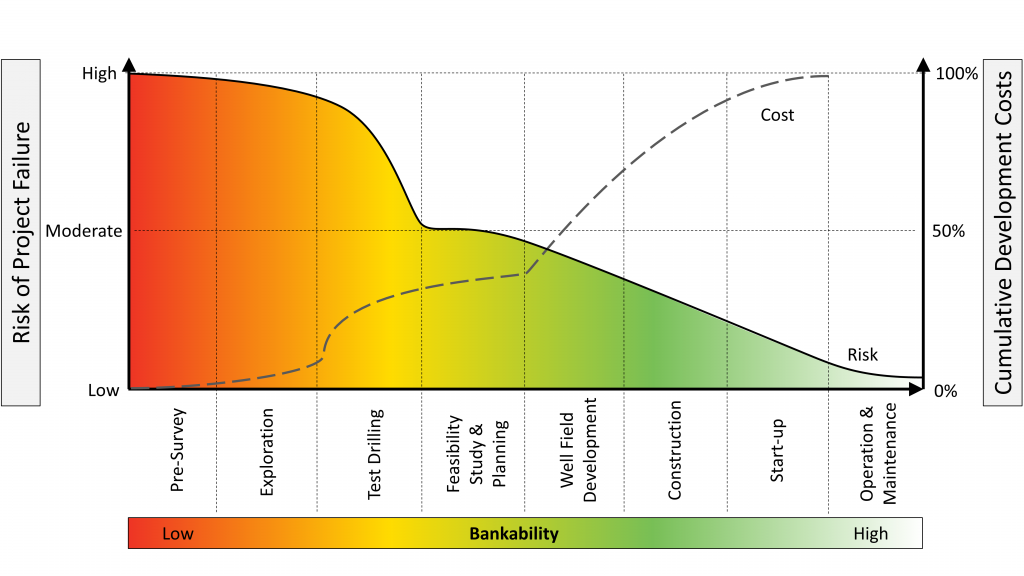
Despite its many advantages, capturing geothermal energy is not without its challenges. One major challenge is the cost of drilling and building geothermal power plants, which can be prohibitively expensive. Additionally, geothermal reservoirs may be located in remote areas that are difficult to access, which can further add to the costs of construction and maintenance.
Another challenge is the potential environmental impact of geothermal power plants. While geothermal energy is a clean and renewable energy source, the drilling and reinjection of water can potentially cause seismic activity and other ecological disturbances. Therefore, proper management and monitoring of geothermal power plants is essential to minimize these risks.
FAQs About Capturing Geothermal Energy
Q: Is geothermal energy expensive to use?A: While the initial investment in geothermal power plants is high, the long-term operating costs are generally lower than that of fossil fuel-based power plants, making it a cost-effective option. Q: How does geothermal energy compare to other renewable energy sources?
A: Geothermal energy is one of the most efficient and reliable forms of renewable energy available. While it may not be as widely used as solar or wind energy, it is a promising source of clean and sustainable power. Q: Can geothermal energy be used for heating and cooling?
A: Yes, geothermal energy can be used for both space heating and cooling, making it a versatile and efficient option for home and commercial use. Q: What is the potential for geothermal energy in the future?
A: Geothermal energy has a significant potential for growth in the future as more countries invest in renewable energy and move away from fossil fuels. Additionally, advancements in technology and the discovery of new geothermal reservoirs may further expand the use of geothermal energy.
The Benefits and Drawbacks of Geothermal Energy
Geothermal energy has numerous benefits, including its sustainability, reliability, efficiency, and cost-effectiveness. It also has a lower environmental impact than fossil fuels and can provide additional economic benefits. However, geothermal energy faces challenges in terms of its initial cost and potential environmental impact. Proper management and monitoring of geothermal power plants are necessary to minimize these risks.
Conclusion
Geothermal energy is a promising source of renewable energy that has the potential to play a significant role in addressing our energy needs in a sustainable and eco-friendly way. While capturing geothermal energy can be complex and expensive, the benefits it provides are numerous, making it a valuable addition to our overall energy portfolio.
References
- https://www.energy.gov/eere/geothermal/geothermal-energy-overview
- https://www.nrel.gov/docs/fy17osti/68553.pdf
- https://www.ucsusa.org/clean-energy/renewable-energy/how-geothermal-energy-works.html
- https://www.energy.gov/eere/geothermal/how-geothermal-energy-works
- https://www.geothermal-energy.org/resources/what_is_geothermal_energy.html