how do humans use geothermal energy

How Do Humans Use Geothermal Energy?
Geothermal energy is a renewable source of energy that is derived from the Earth's natural heat. It is a clean and sustainable alternative to traditional fossil fuels, which makes it an attractive option for nations looking to reduce their carbon footprint. In this article, we will explore how humans use geothermal energy and the advantages it offers, as well as disadvantages and recent facts about the topic.
Geothermal Energy Explained
Geothermal energy is a type of renewable energy that is derived from the Earth's natural heat. It is created by the radioactive decay of elements within the Earth's core, which generates heat that is then carried to the surface through the convection of the mantle. This heat can be harnessed using geothermal power plants that convert it into electricity.
Geothermal energy is classified as a renewable resource because it is replenished by the natural heat generated by the Earth's core. Unlike fossil fuels, which are finite, geothermal energy can be accessed indefinitely as long as the Earth continues to generate heat.
Advantages of Geothermal Energy
Geothermal energy has several advantages over traditional fossil fuels:
- Renewable: As mentioned, geothermal energy is a renewable resource that can be replenished indefinitely
- Stable and predictable: Unlike solar and wind power, which are dependent on weather and time of day, geothermal energy can be produced 24 hours a day, 365 days a year
- Clean: Geothermal energy emits very little greenhouse gases and does not produce any air pollution or toxic waste
- Cost-effective: While geothermal power plants can be expensive to build, they are relatively cheap to operate and can be more cost-effective than traditional fossil fuels in the long term
- Small footprint: Geothermal power plants take up less land than traditional power plants, making them more environmentally friendly
How Do Humans Use Geothermal Energy?
There are several ways in which humans use geothermal energy:
Electricity Generation
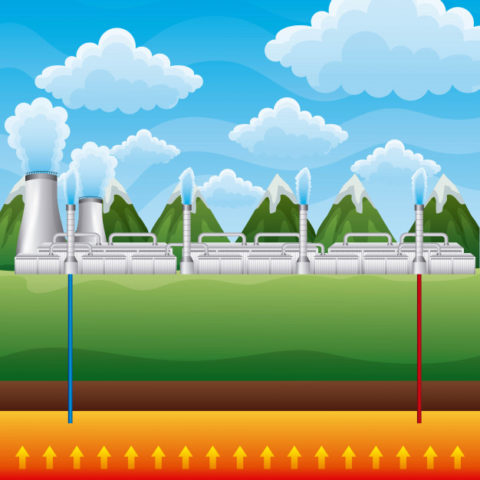
The most common way in which geothermal energy is used is to generate electricity. This is done by drilling deep wells into the Earth's crust to access hot water and steam. The steam is then used to power turbines, which in turn generate electricity.
Geothermal power plants can be found in several countries around the world, including the United States, Iceland, and Indonesia.
Heating and Cooling
Geothermal energy can also be used to heat and cool buildings. This is done by installing geothermal heat pumps, which use the stable temperature of the ground to heat and cool the air inside a building. Geothermal heat pumps are more efficient than traditional heating and cooling systems, which can lead to lower energy costs.
Agriculture
Geothermal energy can also be used to heat greenhouses and to dry crops. In some areas, geothermal energy has been used to grow crops year-round in areas that would not normally support agriculture.
Industrial Processes
Geothermal energy can be used to power industrial processes, such as those used in manufacturing, food processing, and oil refining. For example, geothermal energy can be used to provide the heat needed to melt metals in foundries.
Disadvantages of Geothermal Energy
While geothermal energy has several advantages, it also has some disadvantages:
- High upfront costs: Geothermal power plants can be expensive to build
- Location-specific: Geothermal resources are not evenly distributed around the world, so not all countries can take advantage of this energy source
- Environmental impact: While geothermal energy is cleaner than fossil fuels, its development can still have an impact on the environment. For example, drilling wells can disrupt the natural ecosystem, and the extraction of geothermal fluids can lead to the release of greenhouse gases and other pollutants
Recent Facts About Geothermal Energy
Here are some recent facts about geothermal energy:
- Geothermal energy currently accounts for less than 1% of the world's energy supply
- The United States is the world's largest producer of geothermal energy
- Iceland generates over 25% of its electricity from geothermal energy
- Geothermal energy is being explored as a way to power desalination plants in some areas of the world
FAQ: How Do Humans Use Geothermal Energy?
Q: How does geothermal energy compare to other renewable energy sources?A: Geothermal energy is a more stable and predictable source of energy than solar and wind power, but it is not as widely available. Q: What are the environmental benefits of geothermal energy?
A: Geothermal energy emits very little greenhouse gases and does not produce any air pollution or toxic waste. Q: Can geothermal energy be used in every country?
A: While geothermal resources can be found in many countries around the world, they are not evenly distributed, so not all countries can take advantage of this energy source. Q: How is geothermal energy used to generate electricity?
A: Geothermal power plants drill deep wells into the Earth's crust to access hot water and steam. The steam is then used to power turbines, which in turn generate electricity. Q: What is a geothermal heat pump?
A: A geothermal heat pump is a system that uses the stable temperature of the ground to heat and cool the air inside a building.
Tutorials: How Do Humans Use Geothermal Energy?
If you are interested in learning more about how humans use geothermal energy, there are several resources available:
- Geothermal Energy Basics - U.S. Department of Energy
- What is Geothermal Energy? - International Geothermal Association
Advantages and Disadvantages of Geothermal Energy
Advantages:
- Renewable and sustainable
- Stable and predictable
- Clean
- Cost-effective in the long term
- Small footprint
Disadvantages:
- High upfront costs
- Location-specific
- Environmental impact
Conclusion
Geothermal energy is a clean and sustainable source of energy that can be used in a variety of ways, from electricity generation to heating and cooling of buildings. While there are some disadvantages to geothermal energy, its advantages make it an attractive alternative to traditional fossil fuels. With further development and innovation, geothermal energy has the potential to become an even more important part of the world's energy mix.
Sources:
- https://www.energy.gov/eere/geothermal/geothermal-basics
- https://www.geothermal-energy.org/what_is_geothermal_energy.html
- https://www.nationalgeographic.com/environment/energy/reference/geothermal-energy/
- https://earth.org/geothermal-energy-pros-and-cons/
- https://www.worldenergy.org/data/resources/resource/geothermal-energy/